
A wave taller than most skyscrapers roared through an Alaskan bay in seconds.
The Mountain That Fell Into the Sea
On July 9, 1958, Howard Ulrich and his son anchored a small boat in Lituya Bay for the night - but an earthquake on the Fairweather Fault moved the mountains near the coast at that time. As the ground moved, snow and rocks fell from the slopes. At the top of Gilbert Inlet, a piece of rock and ice with a volume of many millions of cubic yards fell into the water.
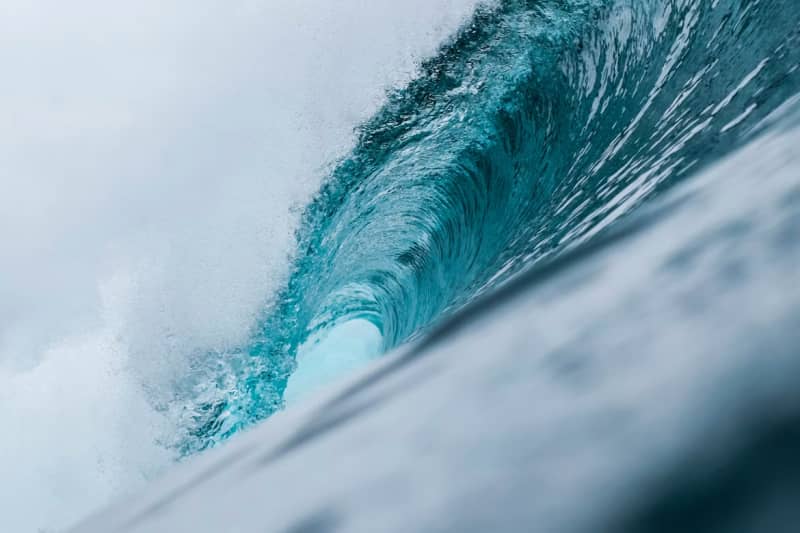
When this material hit the surface, it created a wave that was larger than any other wave in modern history. Due to the force of the water, the surge removed trees from the side of the mountain up to a height of 1,720 feet. To scientists this is the highest point that a tsunami has ever reached on land. As the wave moved through the narrow parts of the bay, the water traveled at speeds that reached 100 miles per hour in some areas.
Lifted Above the Trees
By the time the wave arrived, Howard Ulrich could not move his boat because the anchor was stuck. To protect his son, he gave the boy a life preserver before the water reached them. It is recorded that the wave lifted the boat and carried it over a strip of land. For a short time the boat was above the tops of trees before it returned to the water.
And while those two people survived, others on two different boats died or lost their vessels. As an example Orville and Mickey Wagner disappeared when the water covered their boat near the entrance of the bay. In another case Bill and Vivian Swanson left their damaged boat and people rescued them later.
The earthquake caused a section of coast at Khantaak Island to fall into the sea, which resulted in the deaths of three additional people on the outer coast. With those events, the total number of deaths from the disaster is five. On the following day, the geologist Don Miller and other observers flew over Lituya Bay and observed icebergs, trees that the water had removed from the ground plus a long area of debris that moved toward the ocean. And the light colored mark where the water removed vegetation is visible in photos from the air and in later images from Landsat.
A Fault That Never Stopped
Scientists have demonstrated that the large landslide that the earthquake caused is the primary reason the wave formed in 1958. In later studies researchers suggest that the process is complex because it involves sediment from glaciers and multiple phases of sliding that increased the size of the wave. For the Fairweather fault zone, the tectonic plates continue to move at a high rate of speed. Because of this movement, the vertical walls of rock and ice above Lituya Bay are still in a state where they are likely to fall.
As the mark on the ridge exists, it is a silent and visible sign of the past. In a fjord that is narrow and has steep sides, one instance of rock falling is able to create a wave that is much larger than typical tsunamis. People who operate boats still travel into Lituya Bay. If they look up most of the individuals do not see the light colored line that is located far above the trees - but the history of the event is still present in the safety warnings as well as the scientific research that people produced after the wave.